

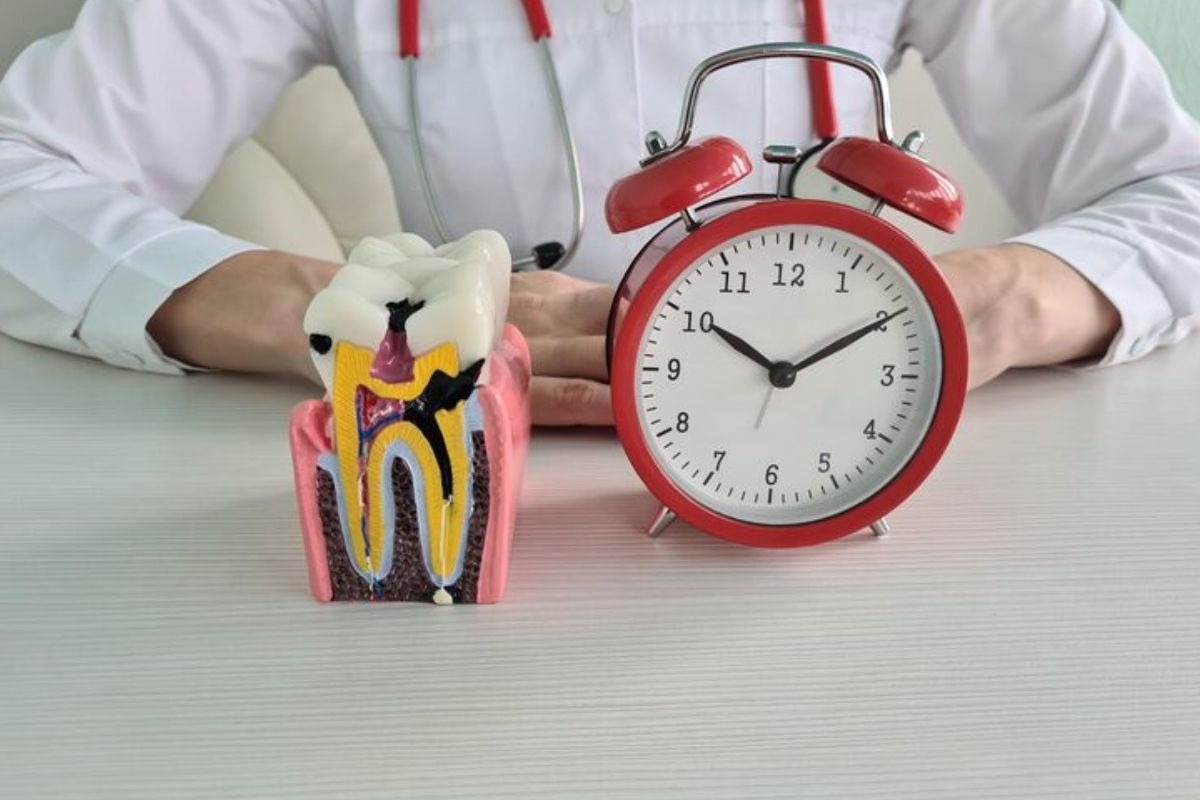
A tooth filling is supposed to repair a cavity and protect your tooth. But fillings do not last your whole life. Eventually, they can break down, fall out, or stop working properly. Understanding what happens when a tooth filling fails helps you know when to get it replaced and how to prevent problems. Tooth filling replacement in NW Calgary is something many people need at some point because fillings wear out naturally over time, just like many other things in your mouth and body.
Why Do Fillings Break Down?
Your mouth is a busy place. Every time you chew, your teeth move slightly. When you eat hot food and then drink cold water, your teeth expand and contract. This constant movement puts stress on your fillings. Over time, the material can develop small cracks. These cracks let bacteria sneak in underneath the filling, which causes new cavities to form right where the filling is supposed to be protecting your tooth.
Fillings also break down because of the materials used to make them. Some filling materials are stronger than others. Metal fillings (called amalgam) can last 12 to 15 years or longer.
Tooth-coloured fillings (called composites) usually last 5 to 10 years because the material is not quite as hard. Your dentist will discuss which material is best for your situation, and tooth fillings providers can help you understand your options when you need a replacement.
Chewing and Grinding Put Pressure on Fillings
Think about how hard you chew every single day. You chew hundreds of times when you eat lunch alone. If you chew on ice, hard candy, or tough meats, you put extra pressure on your fillings. This pressure can cause the filling to crack or break away from the tooth.
Some people grind their teeth at night without even knowing it. Grinding puts intense pressure on your teeth and fillings. If you wake up with a sore jaw or your partner says you grind your teeth, tell your dentist in NW Calgary. They can make a night guard to protect your fillings while you sleep.
Decay Around the Edges of Your Filling
Fillings have edges where they meet your natural tooth. If bacteria get into that space, they can cause decay right at the edge. This is called secondary decay. It happens when you do not brush and floss well around your filling, or when the filling develops a tiny gap that lets bacteria inside.
You cannot always feel this decay happening because it is underneath or around the filling. That is why regular dental checkups are so important. Your dentist can see decay on X-rays long before you feel any pain.
Poor Filling Placement or Old Age
Sometimes a filling fails because it was not placed perfectly in the first place. A small mistake during filling placement can cause problems later. Also, all fillings get older. After many years, the material simply wears down. It is like how your car tires wear out after driving thousands of miles. The material has done its job for years, and now it needs to be replaced.
What Happens When a Tooth Filling Fails?
When a filling fails, you might notice different things. Sometimes you feel sharp pain when you chew or when something hot or cold touches the tooth. Sometimes you see a visible crack or hole in your filling. Sometimes the filling just falls out completely, and you feel an empty space in your tooth. Other times, you do not feel anything at all, but your dentist spots the problem during a checkup.
A failed filling is serious because the tooth underneath is now exposed and unprotected. Bacteria can get inside and cause a new cavity or even an infection in the root of your tooth. If this happens, you might need a root canal, which is more expensive and complicated than simply replacing the filling.
How Long Should a Filling Last?
Most fillings last between 5 and 15 years, depending on the material and how well you care for your teeth. Metal fillings tend to last longer than tooth-coloured fillings. Your chewing habits, grinding, and how well you brush and floss also affect how long your filling lasts.
Taking Care of Your Fillings and Your Smile
When your filling does fail, do not wait to get it replaced. A small problem now is easier and cheaper to fix than a big problem later. Your teeth deserve proper care and attention. Taking action today at Foothills Dental Group will protect your smile tomorrow. If you have a filling that is causing you concern or if you need a replacement, speak with a dentist near you who can examine your tooth and discuss your best options for restoring and protecting it.
Questions People Often Ask:
Can I ignore a small crack in my filling if it does not hurt?
No, even small cracks let bacteria inside, so you should have your dentist check it as soon as possible to prevent bigger problems.
Is it normal to feel pain right after getting a new filling?
Some mild sensitivity is normal for a few days, but serious pain means something is wrong, and you should call your dentist.
Why do I need a filling replaced if it still feels fine?
Decay can occur underneath a filling without you feeling it. This is why check-ups catch it early before serious problems come about.
Can a filling last my whole life?
With proper care of your teeth, most fillings that fail or need replacement can last longer before they start to fail or need replacement.