

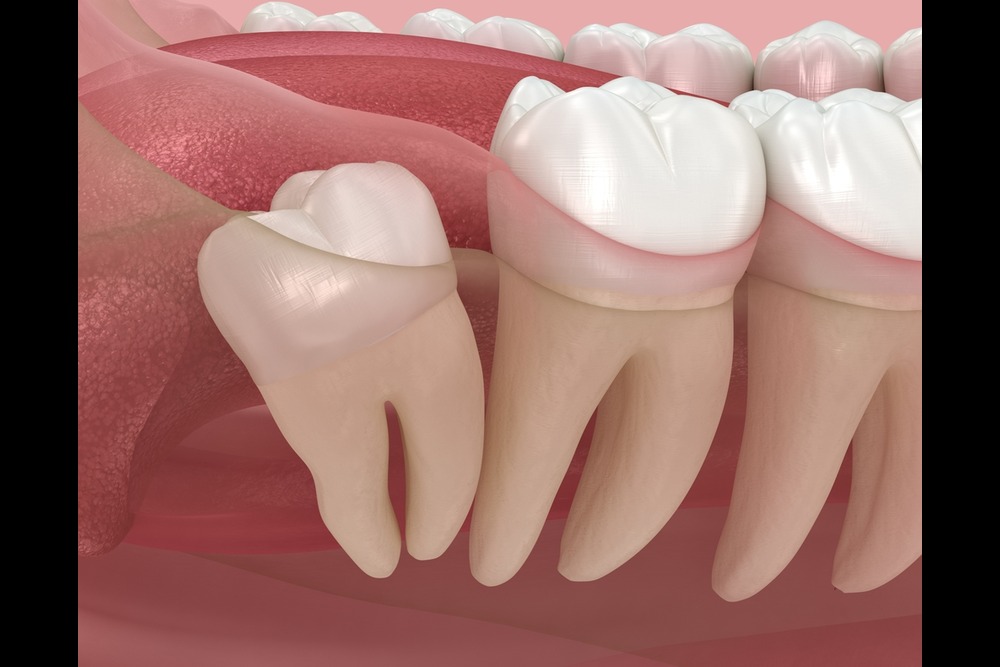
Most patients need to rest for at least 48 to 72 hours after having their wisdom teeth removed before returning to light daily activities. While you may feel better after two days, full healing of the gums and bone can take several weeks, so avoiding strenuous exercise for the first week is essential to prevent complications.
Why Is Initial Rest So Important?
The first few days of your wisdom teeth recovery time are critical for long-term healing. When a tooth is removed, your body naturally forms a blood clot in the space. This clot acts like a biological bandage that protects the nerves and bone underneath. If you move around too much or push your body too hard, you risk dislodging this clot, which can lead to a painful condition known as “dry socket.”
Planning Your First 24 Hours
The day of your surgery should be spent entirely in a state of relaxation. You should go straight home and rest on a couch or bed with your head slightly elevated. If you are looking for wisdom teeth removal near you in NW Calgary, it is helpful to have a friend or family member drive you home so you can begin this resting phase immediately. Keeping your head above your heart helps reduce the swelling that naturally occurs after a dental procedure.
Activity Levels During the First Week
| Timeframe | Recommended Activity Level | Main Goal |
| Day 1 | Absolute bed rest | Stop bleeding and form a clot |
| Day 2-3 | Very light indoor movement | Manage swelling with ice packs |
| Day 4-5 | Return to school or desk work | Monitor for any new pain |
| Day 7+ | Gradual return to exercise | Ensure the site is closing well |
Moving Into the Middle Phase of Healing
By the third or fourth day, most people find they can start moving around the house more freely. It is important to listen to your body and notice if your jaw starts to throb when you walk or bend over. If you need a check-up, visiting a dental clinic in NW Calgary can provide peace of mind that your mouth is healing on schedule. During this middle phase, you should still avoid heavy lifting or high-impact cardio, as these actions increase your blood pressure and could cause the surgical site to bleed again.
Understanding the Stages of Oral Recovery
Healing is a gradual process starting at the outer surface and progressing to the jawbone. Whether you are home from work or school for a “rest” day, your mouth is still working hard behind the scenes. It’s a great idea to see a dentist near you for a follow-up appointment to ensure the soft tissue is knitting together. At the end of the first week, most patients can chew soft food easily and stop taking daytime naps.
How to Make Your Recovery More Comfortable
Proper post-extraction care tips often include more than just sitting still. You should focus on staying hydrated with water and eating lukewarm, soft foods like yogurt, mashed potatoes, or applesauce. Avoid using straws at all costs, as the sucking motion can pull the healing clot right out of the socket. Using a cold compress on the outside of your cheek for twenty minutes on and twenty minutes off during the first two days will also significantly help with comfort.
When Can You Go Back to the Gym?
Exercise is a big part of many people’s lives, but it is the last thing you should reintroduce. Heavy lifting or running can cause a “pounding” sensation in the jaw. It is best to wait at least five to seven days before trying a light workout. If you feel any sharp pain or notice fresh bleeding during your workout, you should stop immediately and return to a resting position.
Signs That You Might Need More Rest
Sometimes the body takes a little longer to bounce back than we expect. If you still feel very tired or if the swelling hasn’t started to go down after the third day, it is a sign that you need to stay in bed longer. Everyone heals at a different pace based on their age, the complexity of the tooth removal, and how well they follow their aftercare instructions.
Protecting the Surgical Site
As you sleep, don’t touch your tongue or fingers in the area. This may feel unnatural or ‘hollow’, but disturbing it can be contaminated with bacteria. Cleaning the mouth is necessary, but do not do it aggressively by rinsing or spitting. Lean over the sink and let the water fall out of your mouth to minimize the pressure. Don’t spray.
Turning the Corner to Full Health
The final stage of rest involves transitioning back to your normal diet. Once the initial week has passed, you can slowly start eating more solid foods. This transition marks the end of the strict “recovery” phase. By being patient and giving yourself those first few days of quiet downtime, you ensure that the rest of your healing process goes smoothly and without any unexpected visits back to the dental chair.
Your Path to a Brighter Smile
The recovery process after a procedure requires a lot of time and the right ambiance. Letting your body heal will prevent unnecessary pain and enable you to return to your real life more quickly.
At Foothills Dental Group, our welcoming environment is designed so that every patient feels comfortable and supported from the moment they walk in until their recovery is complete. At our office, we strive to make sure that our clients feel at ease with their oral health care.
If you have questions about your upcoming procedure or want to ensure your smile is in professional hands, we are here to support your wellness every step of the way.
Frequently Asked Questions
Can I sleep flat on my back after the surgery?
It is actually better to sleep with your head propped up on two or three pillows for the first few nights. Keeping your head elevated helps to minimize swelling and reduces the amount of throbbing you might feel in your jaw.
When can I start brushing my teeth again?
You can usually brush your other teeth the night of the surgery, but you must be extremely gentle. Avoid the surgical area entirely for the first 24 hours, and then very carefully clean the nearby teeth without touching the actual extraction site.
Why does my jaw feel stiff even while I am resting?
Jaw stiffness is a very common side effect called trismus. It happens because the muscles were held open during the procedure and are now healing; gentle heat applied to the outside of the jaw after the first 48 hours can help relax these muscles.
What should I do if I accidentally spit or use a straw?
If you realize you have used a straw or spit, check the area for bleeding. If the site starts to bleed heavily, bite down gently on a piece of clean gauze for 30 minutes to help a new clot form, and contact your dental professional if the bleeding does not stop.